
Brochure Type Of Paper
Brochure Type Of Paper - If you’re wondering about the best type of paper for brochures, the easy answer is that most brochures will look and feel good when they’re printed on 100 lb silk text. Follow this guide to learn the best practices for picking out the best paper for your brochure. So, which is the best for your brochure? It’s measured in grams per square meter. Each type of paper has its unique properties, which can impact the look, feel, and functionality of. A brochure is an informative paper document about a business or organization that can be folded into a leaflet, template, or. The most common types include: Here’s a guide to help you choose the best paper for your brochures: When you talk about brochure paper, you’re really talking about two things: Glossy (vibrant colors, modern feel) matte (sophisticated, easier to read). So, which is the best for your brochure? Learn how to choose the perfect paper for your brochure and make a lasting impression with your marketing materials. Choosing the right paper, from coated and offset. In this post, we’ll dive into the various types of paper for printing and discuss what to use for flyers, brochures, and more, ensuring your printed materials leave a lasting impression. Beyond basic paper types, you can elevate your print with special finishes: Everything you need to know to choose paper for your printed brochure. Generally, paper for brochures should be between 130 and 200 gsm, which is between copier paper and card stock. Learn which paper weight to choose and whether a gloss, matte or uncoated paper is the best choice. If you’re wondering about the best type of paper for brochures, the easy answer is that most brochures will look and feel good when they’re printed on 100 lb silk text. The best type of paper for brochures is typically 100 lb silk text, as it offers a light feel, proper readability, and optimal picture quality. Select a layout based on your content and audience. Glossy (vibrant colors, modern feel) matte (sophisticated, easier to read). The thickness of the paper is known as paper density. Follow this guide to learn the best practices for picking out the best paper for your brochure. Learn which paper weight to choose and whether a gloss, matte or uncoated paper. Select a layout based on your content and audience. Discover the art of choosing the perfect paper for brochure printing! Typically, there are two types available. Choosing the right paper, from coated and offset. Discover the best paper types for brochure printing. Let’s explore the benefits and uses of each paper weight type. A brochure is an informative paper document about a business or organization that can be folded into a leaflet, template, or. The lightest and most cost effective paper weight for. Each type of paper has its unique properties, which can impact the look, feel, and functionality of. Typically, there. Discover the art of choosing the perfect paper for brochure printing! Generally, paper for brochures should be between 130 and 200 gsm, which is between copier paper and card stock. What is the best type of paper to use for brochures? When placing an order with a brochure printing company, they will need to know. Discover the best paper types. There are several types of paper that you can use when printing a brochure. Paper types create different impressions: Here’s a guide to help you choose the best paper for your brochures: Learn how to choose the perfect paper for your brochure and make a lasting impression with your marketing materials. For a print campaign, you have all these considerations,. Discover the art of choosing the perfect paper for brochure printing! Designing your brochure choosing a layout. The types of paper for printing your brochure are also. Specialty paper finishes and premium effects. In this post, we’ll dive into the various types of paper for printing and discuss what to use for flyers, brochures, and more, ensuring your printed materials. What paper is best to print brochures on? Select a layout based on your content and audience. Are fold types for brochures functioning properly?. The most common types include: According to our 30 years and counting of professional experience in the offset printing industry, we know that most brochures work best when printed on paper no lighter. What paper is best to print brochures on? Learn how to choose the perfect paper for your brochure and make a lasting impression with your marketing materials. Popular sizes for brochures include 8.5. Everything you need to know to choose paper for your printed brochure. Beyond basic paper types, you can elevate your print with special finishes: Popular sizes for brochures include 8.5. Generally, paper for brochures should be between 130 and 200 gsm, which is between copier paper and card stock. Discover the best paper types for brochure printing. Are fold types for brochures functioning properly?. When placing an order with a brochure printing company, they will need to know. Before deciding on the perfect paper for your brochure, it’s essential to understand the different types of paper available. The most common types include: The best type of paper for brochures is typically 100 lb silk text, as it offers a light feel, proper readability, and optimal picture quality. When you talk about brochure paper, you’re really talking about two. Follow this guide to learn the best practices for picking out the best paper for your brochure. Generally, paper for brochures should be between 130 and 200 gsm, which is between copier paper and card stock. Designing your brochure choosing a layout. Are fold types for brochures functioning properly?. Glossy (vibrant colors, modern feel) matte (sophisticated, easier to read). If you’re wondering about the best type of paper for brochures, the easy answer is that most brochures will look and feel good when they’re printed on 100 lb silk text. Discover the best paper types for brochure printing. The thickness of the paper is known as paper density. So, which is the best for your brochure? Specialty paper finishes and premium effects. The lightest and most cost effective paper weight for. Learn how to choose the perfect paper for your brochure and make a lasting impression with your marketing materials. Each type of paper has its unique properties, which can impact the look, feel, and functionality of. Paper types create different impressions: Let’s explore the benefits and uses of each paper weight type. Here’s a guide to help you choose the best paper for your brochures:
7 Popular Types Of Brochure Folds
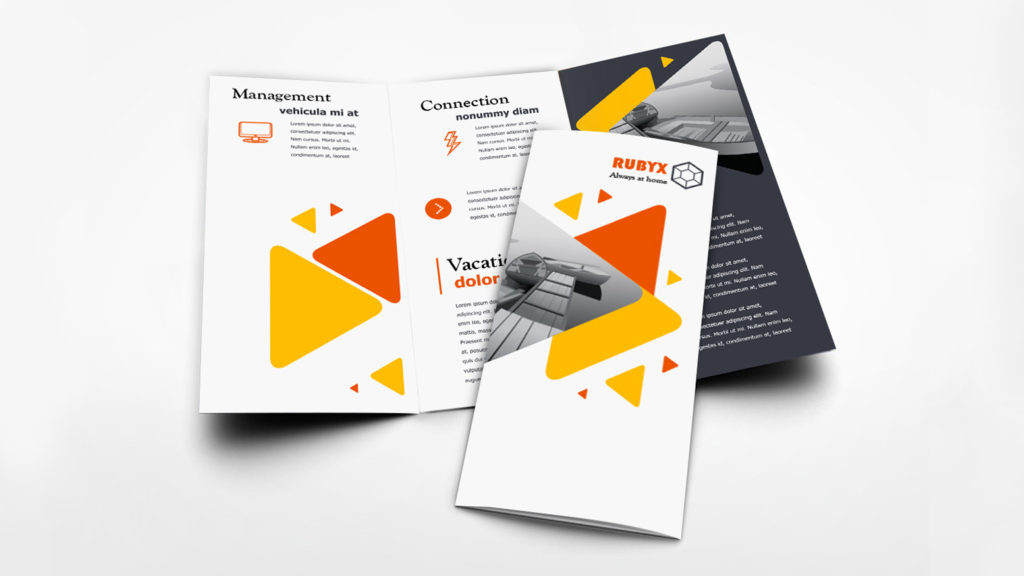
The Ultimate Brochure Paper Guide Confusing Terms Explained
What Type of Brochure Paper Should I Use? CMYK PH
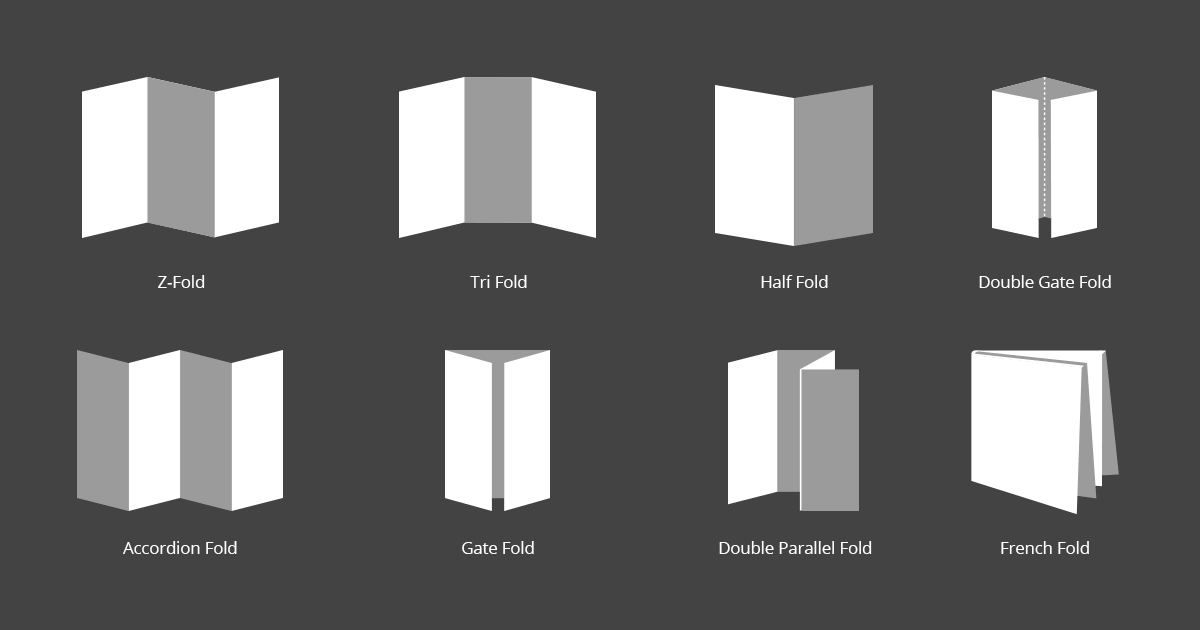
Different Types of Brochures Swift Publisher for Mac
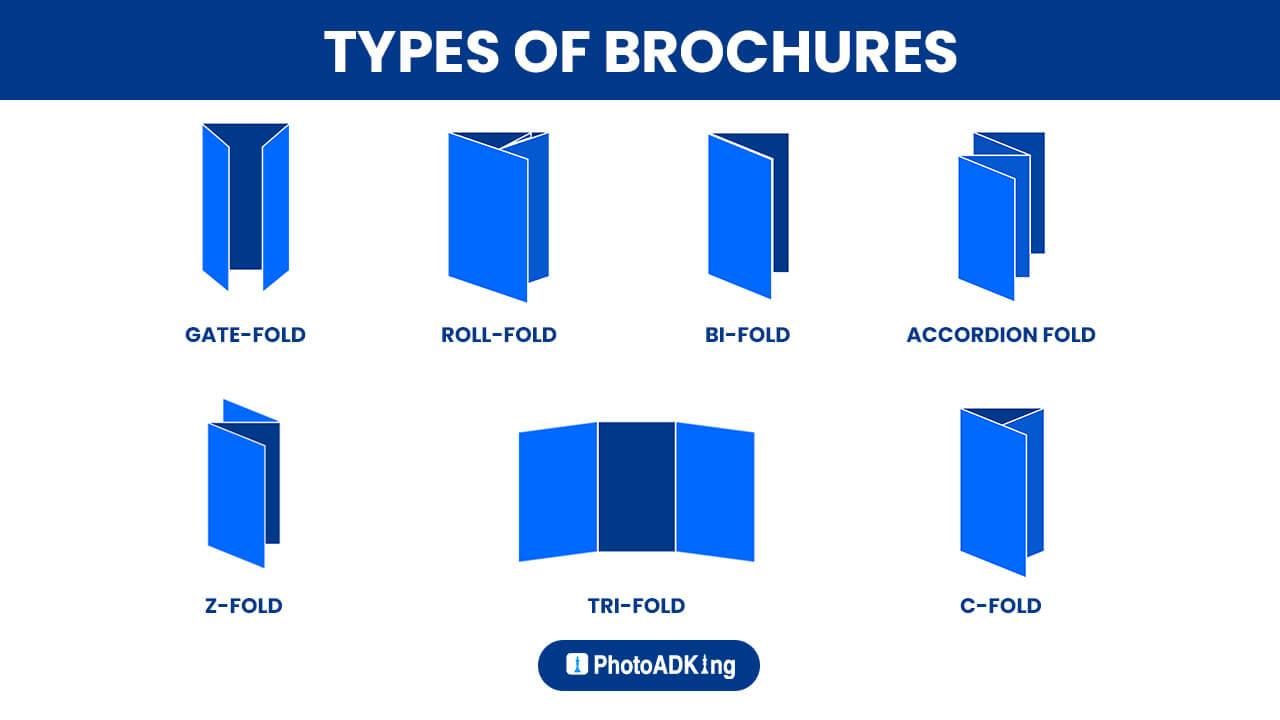
What Are the Different Types of Brochures?

What Is The Best Type Of Paper For Brochure Printing
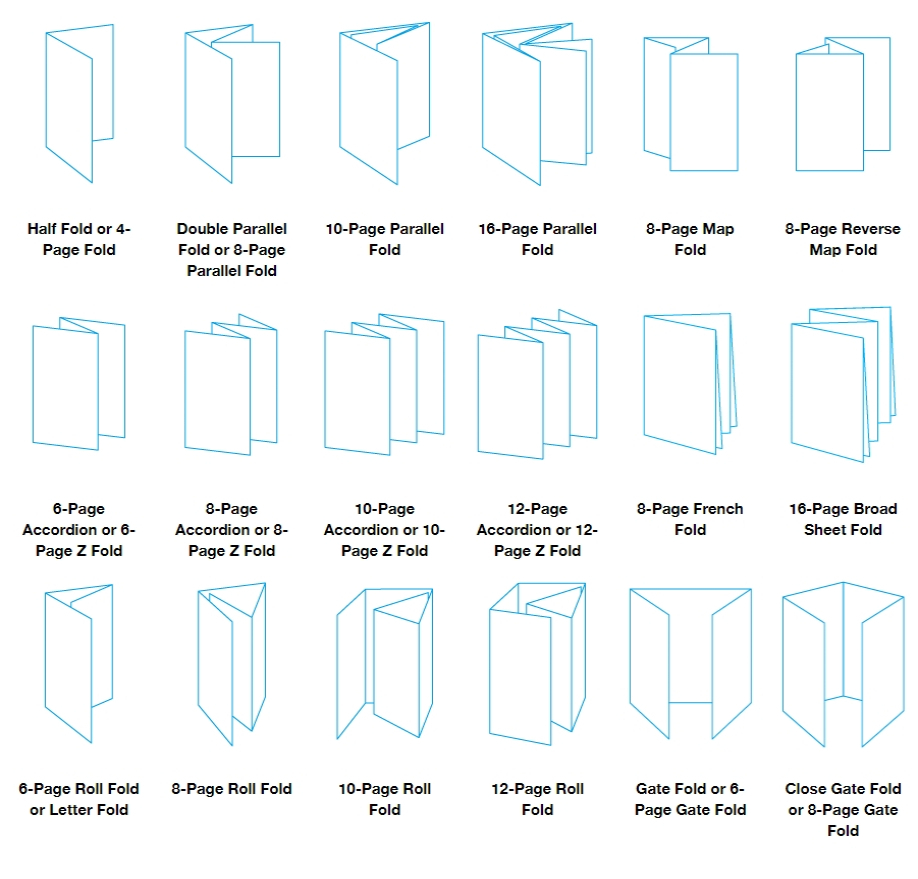
Paper Folding, Creasing and Scoring Types for Brochures Printing Bali
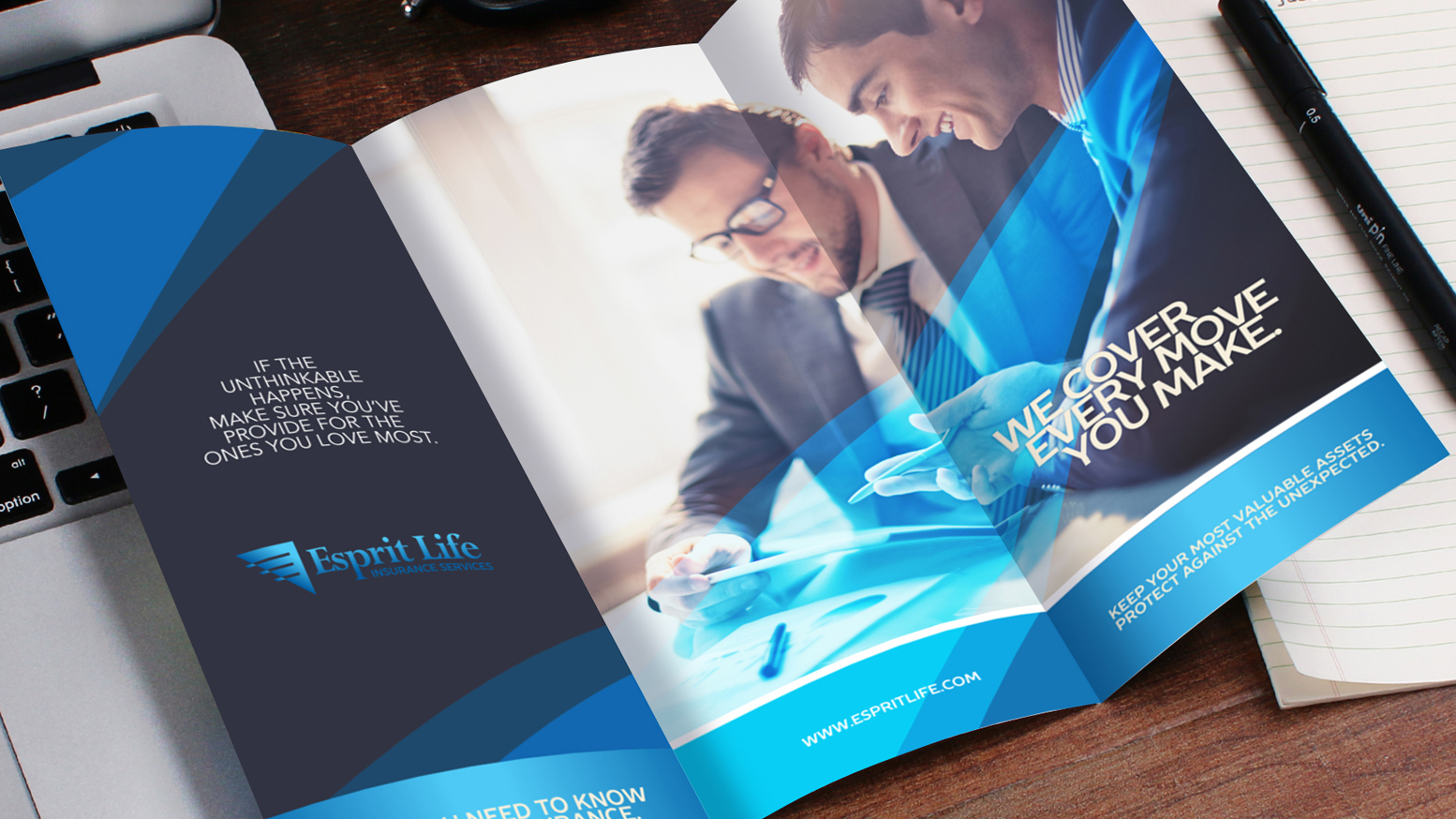
The Ultimate Brochure Paper Guide Confusing Terms Explained
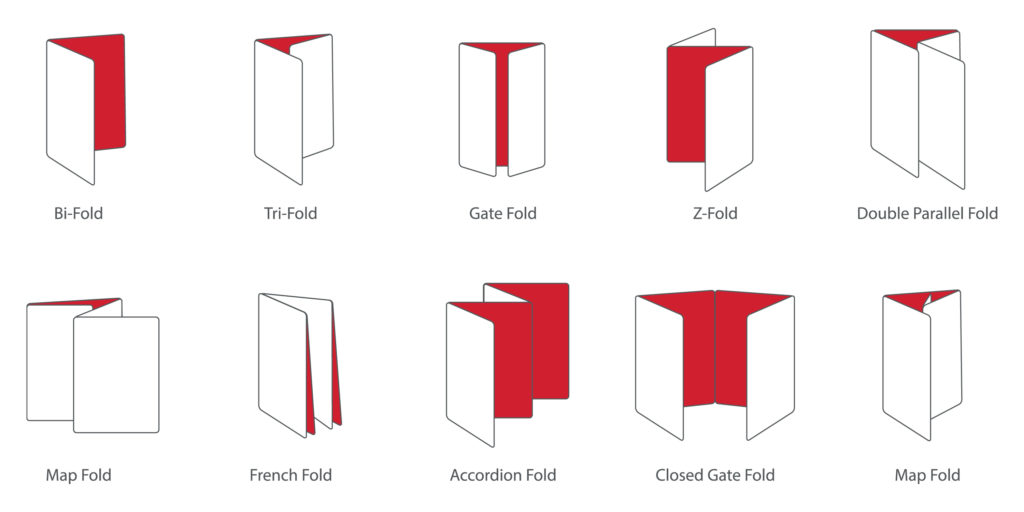
Designing a Brochure that Sells A StepByStep Guide Simplified
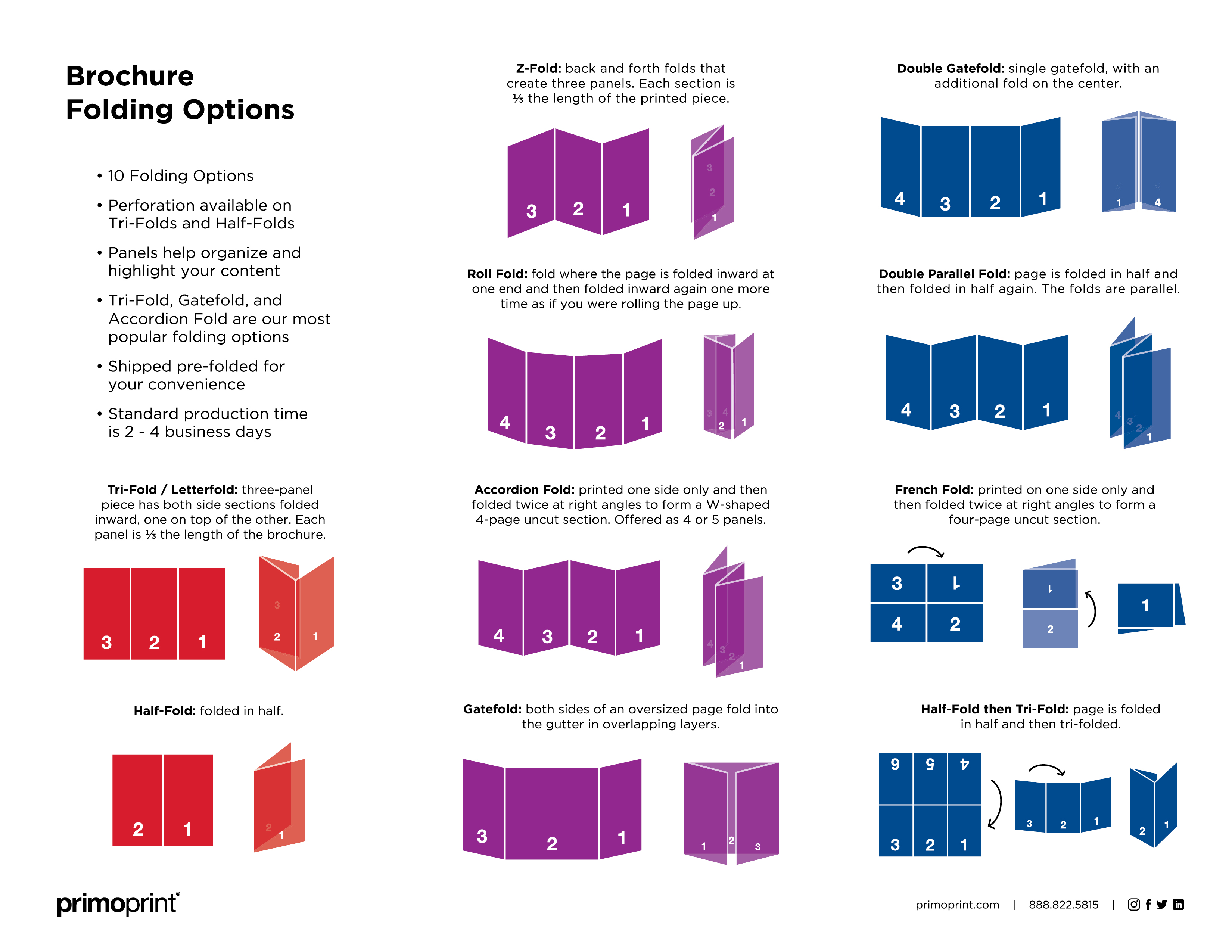
The Complete List of Brochure Folds Primoprint Blog
The Types Of Paper For Printing Your Brochure Are Also.
There Are Several Types Of Paper That You Can Use When Printing A Brochure.
When Selecting A Brochure Size, Think About How Much Information You Want To Fit, What Kind Of Impact You Want To Have, And How Large Your Budget Is.
The Best Type Of Paper For Brochures Is Typically 100 Lb Silk Text, As It Offers A Light Feel, Proper Readability, And Optimal Picture Quality.
Related Post: