
Ebola Brochure
Ebola Brochure - Ebola disease is caused by an infection with an orthoebolavirus. Historically, ebola outbreaks have been relatively small, but infections are severe, typically causing death in. There are six known species of viruses. Ebola virus disease (evd) is a rare but often fatal infectious disease with occasional outbreaks that have occurred mostly in africa. Ebola enters the human population when a person touches the body. Click on the elements to replace the. Though dangerous, there are ways to limit its damage. This poster displays ebola basics (transmission and symptoms) in an infographic style. Download the printable pdf on this page. Ebola virus disease (formerly known as ebola hemorrhagic fever) is a severe, often fatal illness, with a death of up to 90%. This poster displays ebola basics (transmission and symptoms) in an infographic style. But if you have had close contact with a person sick with, or has died from, ebola, you are at greater risk. This illustrated brochure provides facts on evd, how ebola is spread, prevention methods and signs and symptoms. Ebola virus disease (evd) is a rare but often fatal infectious disease with occasional outbreaks that have occurred mostly in africa. Ebola enters the human population when a person touches the body. Download the printable pdf on this page. Click on the elements to replace the. Signs of ebola include fever and symptoms like severe headache, fatigue, muscle pain, vomiting, diarrhea, stomach pain, or unexplained bleeding or bruising. Ebola virus disease (evd) is a rare and deadly disease most commonly affecting people and nonhuman primates (monkeys, gorillas, chimpanzees). Ebola virus disease (formerly known as ebola hemorrhagic fever) is a severe, often fatal illness, with a death of up to 90%. But if you have had close contact with a person sick with, or has died from, ebola, you are at greater risk. Frequently asked questions about ebola virus disease. Ebola is a virus that can cause disease in people and in nonhuman primates. This poster displays ebola basics (transmission and symptoms) in an infographic style. Though dangerous, there are ways. The virus is transmitted to people from wild animals and spreads in the. Ebola virus disease (evd) is a rare but often fatal infectious disease with occasional outbreaks that have occurred mostly in africa. This poster displays ebola basics (transmission and symptoms) in an infographic style. It is intended for communities in the u.s. Signs of ebola include fever and. Click on the elements to replace the. This poster displays ebola basics (transmission and symptoms) in an infographic style. It is a sickness that can be deadly without early treatment. This illustrated brochure provides facts on evd, how ebola is spread, prevention methods and signs and symptoms. The virus is transmitted to people from wild animals and spreads in the. It is intended for communities in the u.s. Click on the elements to replace the. Ebola disease is caused by an infection with an orthoebolavirus. Ebola virus disease (evd) is a rare but often fatal infectious disease with occasional outbreaks that have occurred mostly in africa. Ebola disease •ebola disease is a severe, often fatal illness in humans. Orthoebolaviruses can cause serious and often. Ebola is a rare but deadly virus that typically causes severe illness which can lead to death if untreated. Click on the elements to replace the. This poster displays ebola basics (transmission and symptoms) in an infographic style. Ebola virus disease (evd) is a rare and deadly disease most commonly affecting people and nonhuman. This poster displays ebola basics (transmission and symptoms) in an infographic style. Ebola disease is caused by an infection with an orthoebolavirus. The virus is transmitted to people from wild animals and spreads in the. It is a sickness that can be deadly without early treatment. Clinical management of patients with ebola disease should focus on supportive care for complications,. Ebola is a rare but deadly virus that typically causes severe illness which can lead to death if untreated. The virus is transmitted to people from wild animals and spreads in the. Orthoebolaviruses can cause serious and often. Blood and body fluids (like urine,. Historically, ebola outbreaks have been relatively small, but infections are severe, typically causing death in. This poster displays ebola basics (transmission and symptoms) in an infographic style. Historically, ebola outbreaks have been relatively small, but infections are severe, typically causing death in. Ebola is a virus that can cause disease in people and in nonhuman primates. Ebola virus disease (evd) is a rare but often fatal infectious disease with occasional outbreaks that have occurred mostly. There are six known species of viruses. Fact sheets, brochures, signs, and other materials that you can print and use. Frequently asked questions about ebola virus disease. Ebola fact sheet introduction ebola is real. But if you have had close contact with a person sick with, or has died from, ebola, you are at greater risk. Ebola enters the human population when a person touches the body. Signs of ebola include fever and symptoms like severe headache, fatigue, muscle pain, vomiting, diarrhea, stomach pain, or unexplained bleeding or bruising. Clinical management of patients with ebola disease should focus on supportive care for complications, such as hypovolemia, electrolyte abnormalities, hematologic. Ebola disease •ebola disease is a severe,. Ebola virus disease (formerly known as ebola hemorrhagic fever) is a severe, often fatal illness, with a death of up to 90%. Ebola virus disease (evd) is a rare and deadly disease most commonly affecting people and nonhuman primates (monkeys, gorillas, chimpanzees). Ebola virus disease (evd), formerly known as ebola haemorrhagic fever, is a severe, often fatal illness in humans. What should i do if i suspect i have ebola? Ebola virus disease (evd) is a rare but often fatal infectious disease with occasional outbreaks that have occurred mostly in africa. Ebola is a rare but deadly virus that typically causes severe illness which can lead to death if untreated. Signs of ebola include fever and symptoms like severe headache, fatigue, muscle pain, vomiting, diarrhea, stomach pain, or unexplained bleeding or bruising. Blood and body fluids (like urine,. Orthoebolaviruses can cause serious and often. It is intended for communities in the u.s. Ebola disease is caused by an infection with an orthoebolavirus. But if you have had close contact with a person sick with, or has died from, ebola, you are at greater risk. Clinical management of patients with ebola disease should focus on supportive care for complications, such as hypovolemia, electrolyte abnormalities, hematologic. Ebola is a virus that can cause disease in people and in nonhuman primates. There are six known species of viruses. The study vaccine does not cause ebola.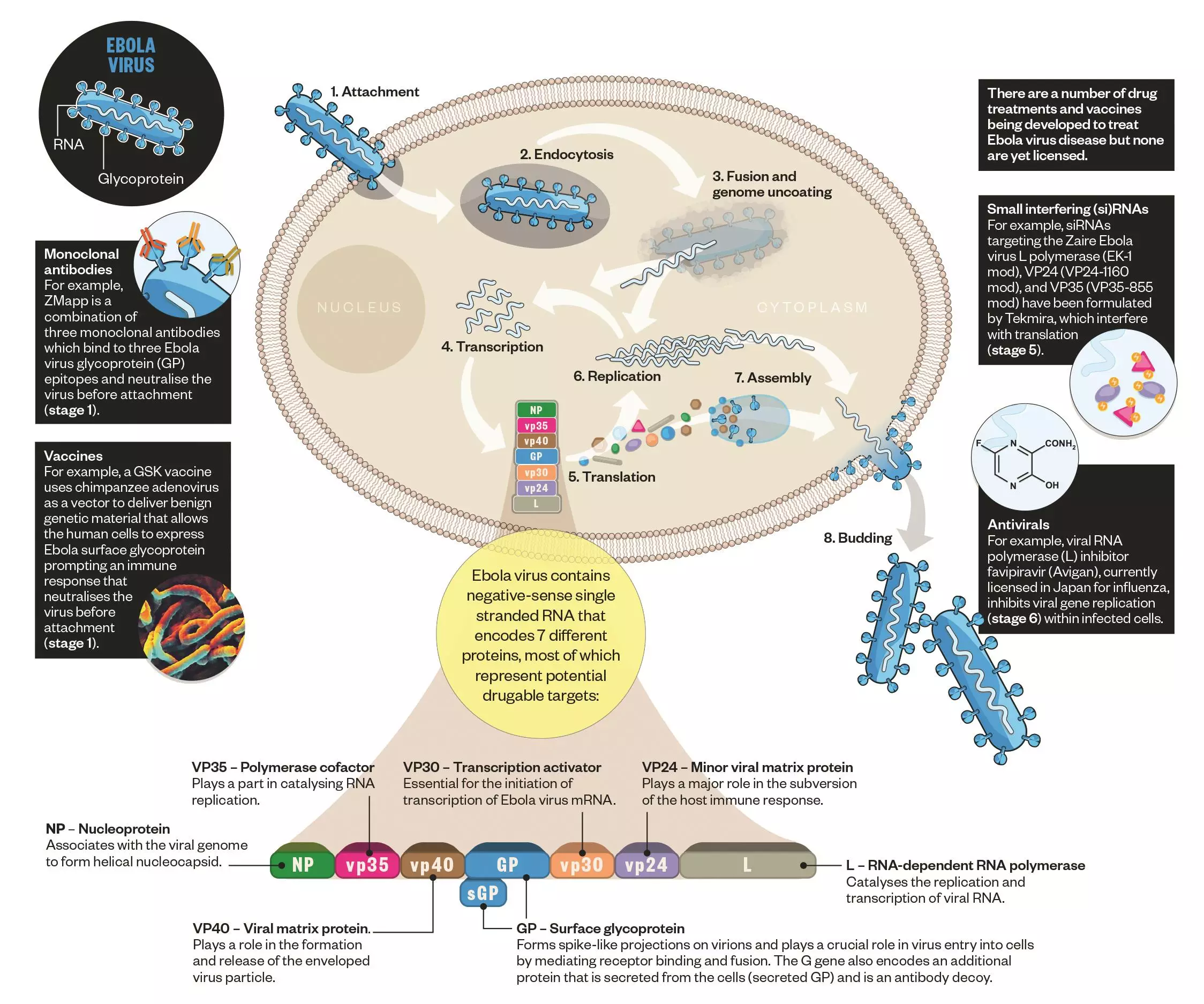
A visual guide to the Ebola virus epidemic The Pharmaceutical Journal

Graphic Warnings Ebola Posters Keep The Virus On People's Minds
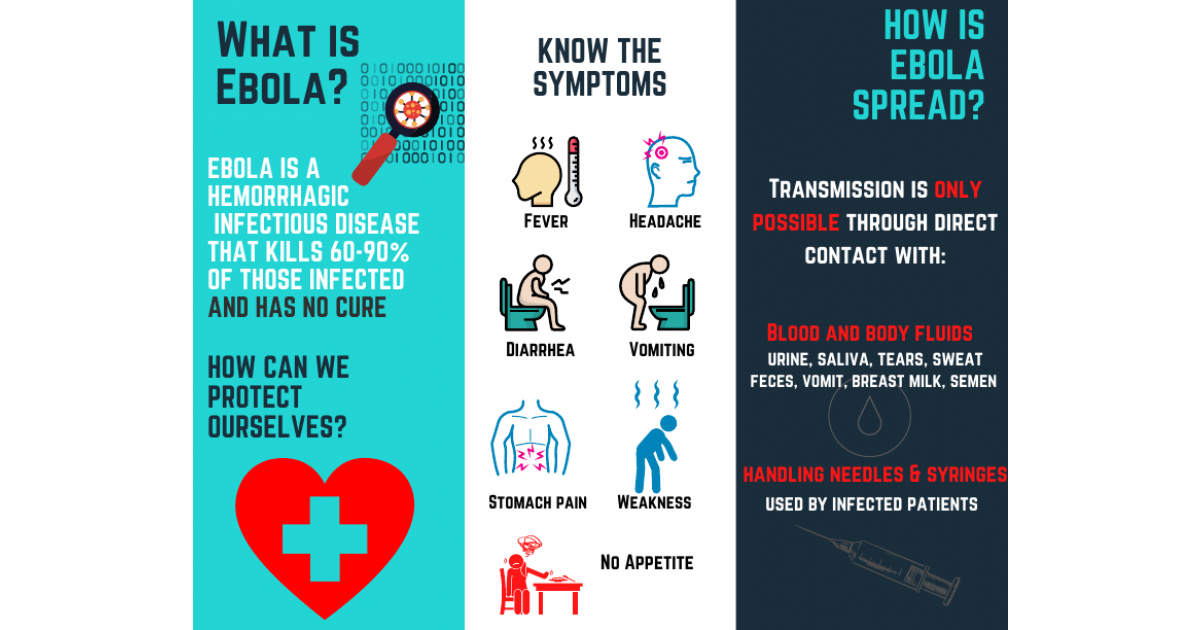
Portfolium Network Showcase Your Skills in an ePortfolio

Facts about Ebola, from the CDC / Boing Boing
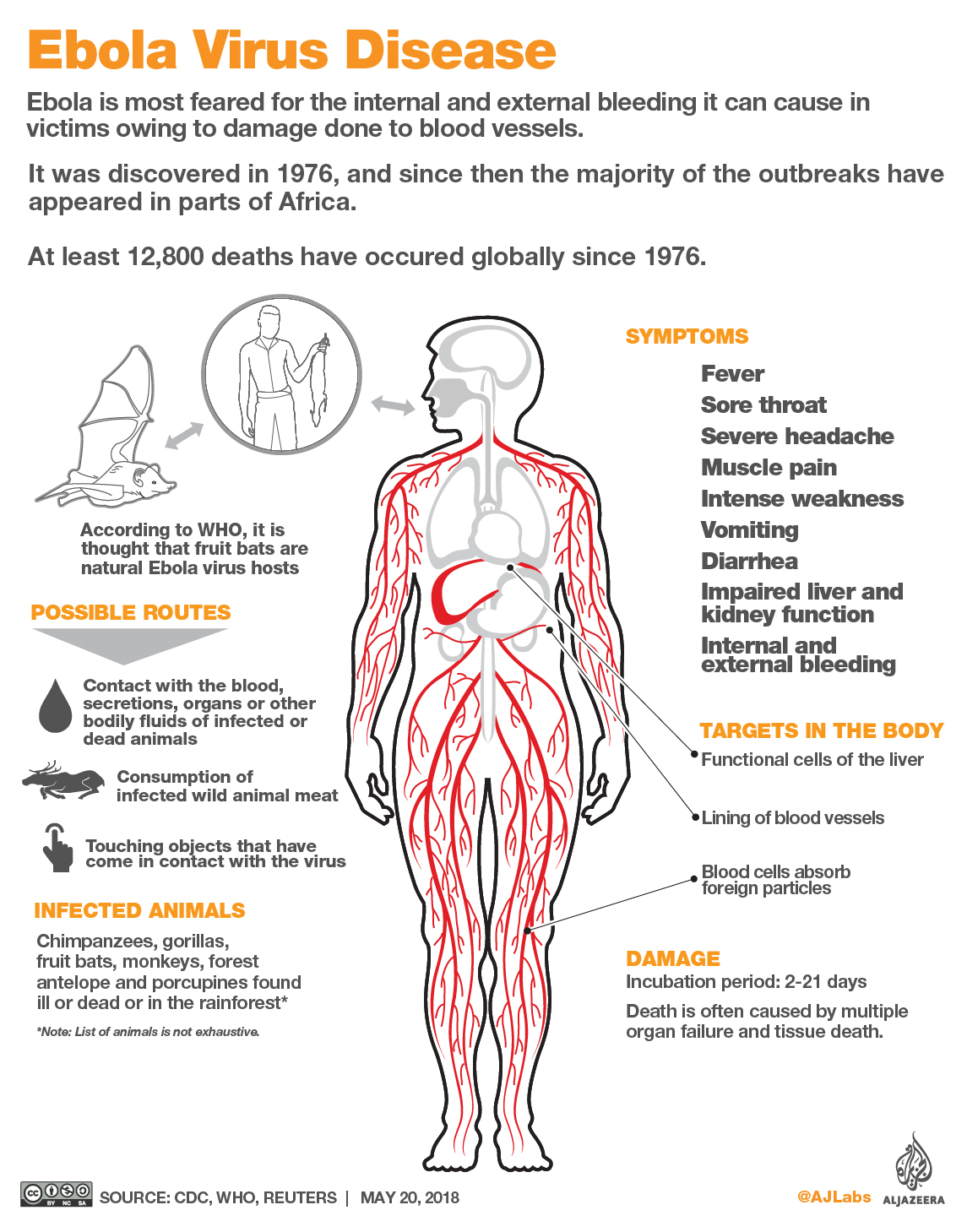
All you need to know about Ebola virus disease Interactive News Al
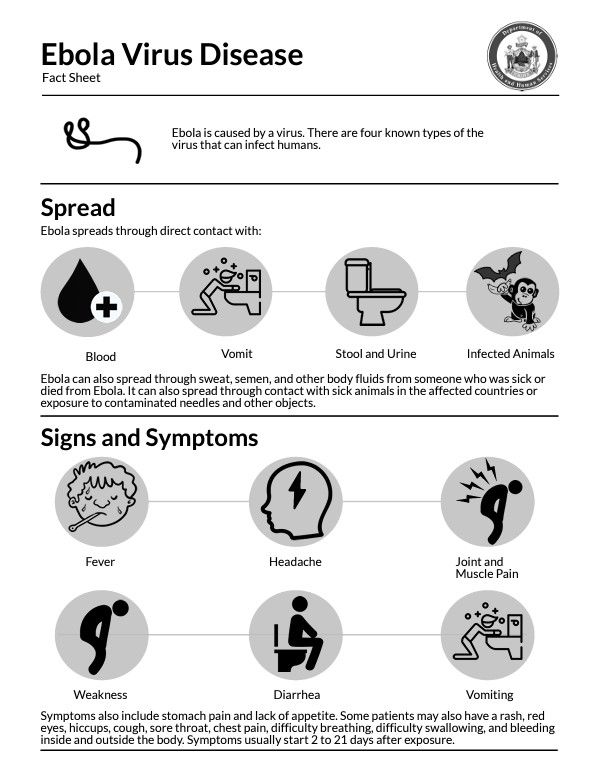
Ebola Information for Healthcare Workers and First Responders

Ebola virus disease The BMJ
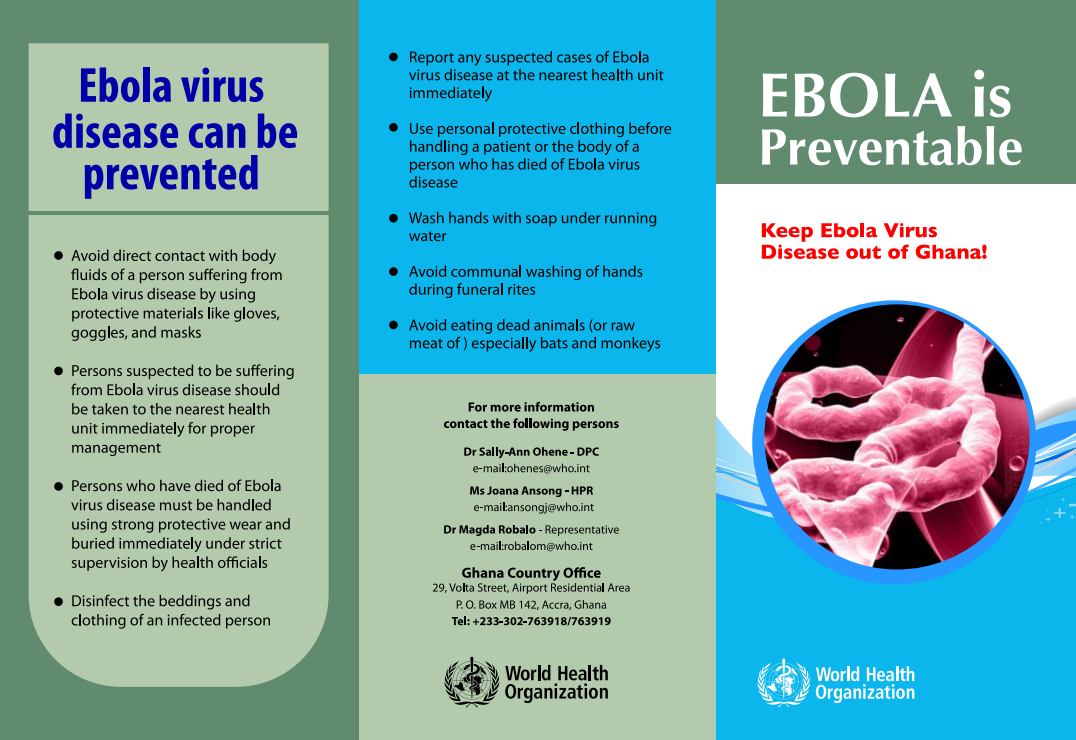
Ebola Virus Disease WHO Regional Office for Africa

Exhibit Case 1 Ebola in West Africa Viruses, Past and Present

CDCEbolainfographic AAAASF
Ebola Enters The Human Population When A Person Touches The Body.
This Illustrated Brochure Provides Facts On Evd, How Ebola Is Spread, Prevention Methods And Signs And Symptoms.
This Poster Displays Ebola Basics (Transmission And Symptoms) In An Infographic Style.
Ebola Disease •Ebola Disease Is A Severe, Often Fatal Illness In Humans.
Related Post: