
Fall Prevention Brochure For Hospitals
Fall Prevention Brochure For Hospitals - Many hbpc teams have been using fall risk screening tools that are validated for inpatient populations, but not validated for patients in the home setting. Your safety is important to. • recognize the medical, personal and environmental factors that increase your risk of a fall. Many safety hazards are located in the patient‘s immediate spatial environment. Talking with your patients about falls • help patients understand their own unique fall risk. Learn more about fall prevention. A collaboration to end the persistent problem of patient falls. If you are concerned about your fall risks in the hospital, consult with your nurse. Brochure for family caregivers with steps to help prevent older adult falls. The primary goal of healthcare workers at hartford healthcare is to identify patients at risk of falling and keep them safe. Learn more about fall prevention. Talk openly with your healthcare improving home safety, or visit: Fall prevention involves not only the patient and staff, but family, friends and caregivers as well. Call your nurse if you feel dizzy, weak or lightheaded. • stay independent • postural hypotension: • educate patients on their modifiable risk. In addition to assessing the risk of falls,. The primary goal of healthcare workers at hartford healthcare is to identify patients at risk of falling and keep them safe. Elderly people are increasingly at risk of falling, particularly in hospitals. Your safety is important to. Brochure for family caregivers with steps to help prevent older adult falls. • use the call light to ask for help. Many hbpc teams have been using fall risk screening tools that are validated for inpatient populations, but not validated for patients in the home setting. The article by cho et al 1 in the current issue of bmj quality. A collaboration to end the persistent problem of patient falls. Talking with your patients about falls • help patients understand their own unique fall risk. Learn more about fall prevention. Exercise to improve your balance and. Talk openly with your healthcare improving home safety, or visit: Learn more about fall prevention. The updated guidelines also recommend healthcare professionals consider carrying out a review to help identify any medicines that may increase a person’s risk of falls and. Develop a plan for fall prevention. To avoid falling and hurting yourself, please follow these guidelines. Factors influencing fall prevention programmes across three regions of the uk: Fall prevention involves not only the patient and staff, but family, friends and caregivers as well. By making some changes, you can lower your chances of falling. • walking • medications • history. A collaboration to end the persistent problem of patient falls. They frequently involve pain, injuries, fear of falling again and a feeling of insecurity. Develop a plan for fall prevention. Fall prevention involves not only the patient and staff, but family, friends and caregivers as well. Falling is common for elderly patients and can have serious consequences. In addition to assessing the risk of falls,. • stay independent • postural hypotension: They frequently involve pain, injuries, fear of falling again and a feeling of insecurity. Improve hospital processes and records. The nurse can work with you and your family to develop a. Learn more about fall prevention. Concerned about your risk for falls? If you are concerned about your fall risks in the hospital, consult with your nurse. Improve hospital processes and records. Four things you can do to prevent falls: Decrease patient falls during and after hospital stays. The article by cho et al 1 in the current issue of bmj quality and safety addresses the persistent and debilitating problem of hospital. Pocket guide preventing falls in older patients. Improve hospital processes and records. Talk openly with your loved one and their healthcare provider about fall risks and prevention. Provider about fall risks and. The fall tips (tailoring interventions for patient safety) program: Pocket guide preventing falls in older patients. Many hbpc teams have been using fall risk screening tools that are validated for inpatient populations, but not validated for patients in the home setting. Talk openly with your loved one and their healthcare provider about fall risks and prevention. Provider about fall risks and. Exercise to improve your balance and. Many hbpc teams have been using fall risk screening tools that are validated for inpatient populations, but not validated for patients in the home setting. Many safety hazards are located in the patient‘s immediate spatial environment. Fall prevention involves not only the patient and staff, but family, friends and caregivers as well. Many falls can be prevented. The challenge of. Talking with your patients about falls • help patients understand their own unique fall risk. Elderly people are increasingly at risk of falling, particularly in hospitals. • recognize the medical, personal and environmental factors that increase your risk of a fall. Falls are the leading cause of injury among patients in hospitals. Exercise to improve your balance and. Call your nurse if you feel dizzy, weak or lightheaded. To improve patient quality outcomes by decreasing injury from falling. • educate patients on their modifiable risk. Provider about fall risks and. Tell a healthcare provider right away if your loved one has fallen, or if they are worried about. Preventing falls in nursing homes helps keep patients safe while lowering medical. Improve hospital processes and records. Decrease patient falls during and after hospital stays. In addition to assessing the risk of falls,. The article by cho et al 1 in the current issue of bmj quality and safety addresses the persistent and debilitating problem of hospital falls, which remain a challenge worldwide. Falling is common for elderly patients and can have serious consequences.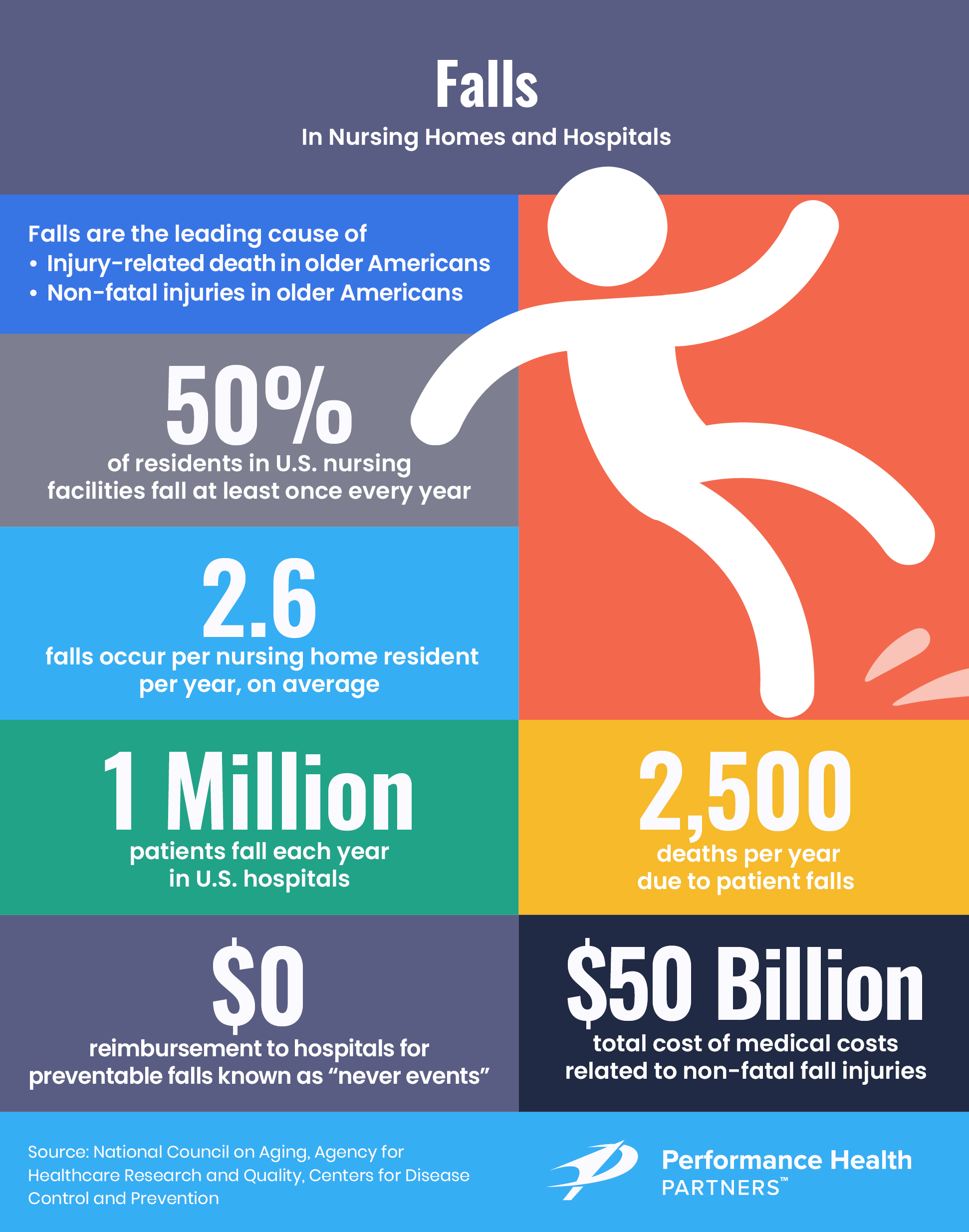
Prevent Patient Falls Steps Performance Health Partners

Preventing Falls Infographic Harvard Health

Fall Prevention Brochure Lakes Regional Healthcare

Falls Prevention brochure Providence Manor Oct2009 by Providence Care

fall prevention brochure

(PDF) Falls Prevention Changi General Hospital Falls Brochure_final
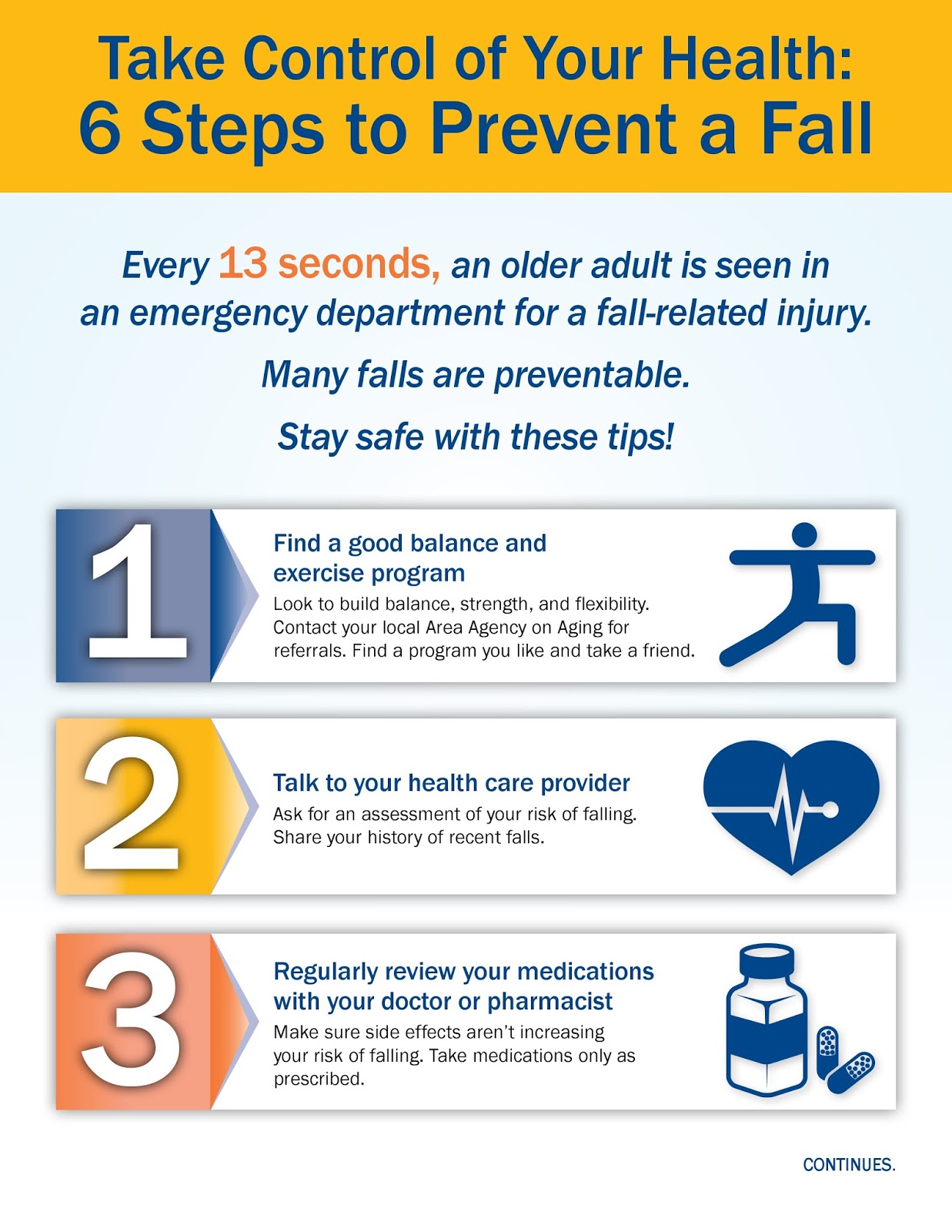
Fall Prevention Interventions In Hospitals

Fall Risk Brochure NURS 440 Studocu
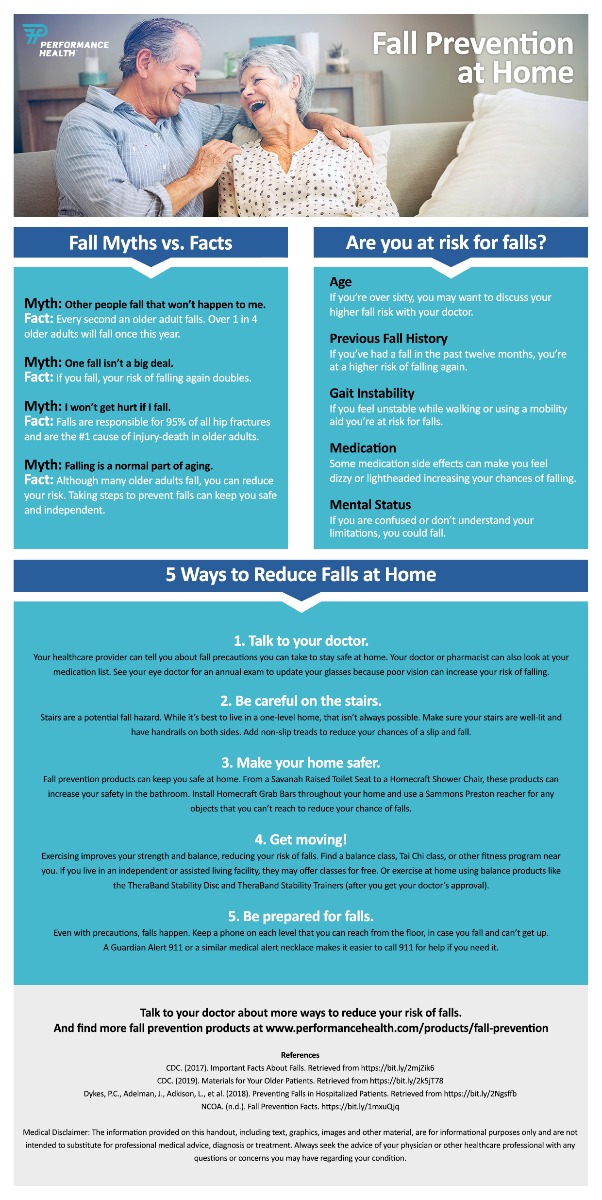
Fall Prevention Handouts for Your Patients Performance Health

Slips, Trips and Falls brochure RCBIS rev by Providence Care Issuu
Four Things You Can Do To Prevent Falls:
If You Are Concerned About Your Fall Risks In The Hospital, Consult With Your Nurse.
Factors Influencing Fall Prevention Programmes Across Three Regions Of The Uk:
Brochure For Family Caregivers With Steps To Help Prevent Older Adult Falls.
Related Post: